Share This Article
Nurse Call Systems for Hospitals
Nurse Call System Design for Hospitals: A Practical Overview
📘 Guest Author: Wullie Scott
Revised Publication date: 28 Jun 2020
Nurse call system design is a fundamental element of modern hospital infrastructure. Every healthcare facility must include a reliable system that enables patients to call for assistance and allows staff to communicate effectively in emergencies.
A well-executed nurse call system design improves workflow, speeds up response times, and enhances overall patient care outcomes.
How Nurse Call Systems Work
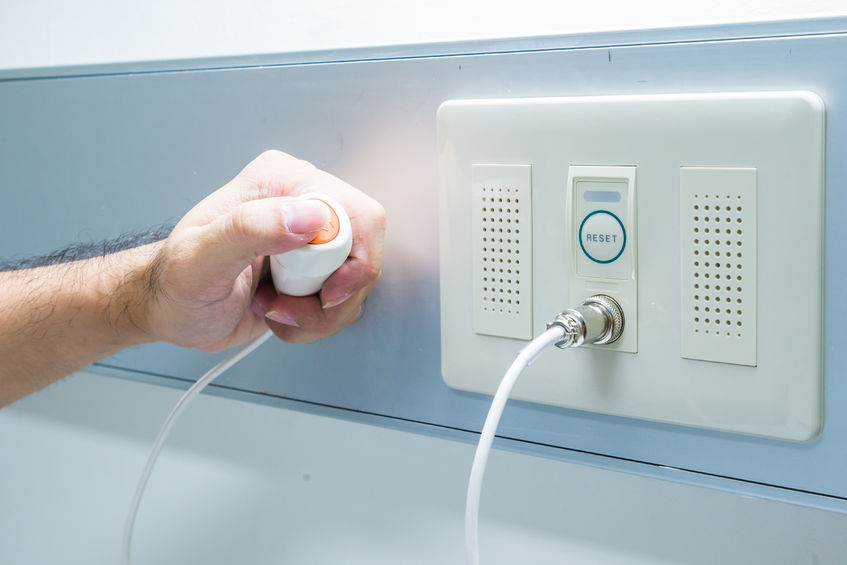
When a patient activates a call, typically via a bedside button-it triggers an alert at the nearest staff base. A panel display shows the source of the call, while over-door lights or ceiling-mounted indicators guide staff directly to the patient’s location.
Once at the room, staff use a reset button to deactivate the alert and respond to the patient’s needs.
Basic vs Advanced Call Systems
-
Basic systems include: call buttons, buzzers, and lamps
-
Advanced systems use: IP networks or LonWorks tech for cardiac calls, staff tracking, and bedside communication
Planning a Nurse Call System Design
Successful nurse call system design requires early collaboration between architects, MEP consultants, and clinical teams. Design planning should focus on:
-
Nursing zone size and coverage
-
Proximity of staff bases to key areas
-
Day vs night shift staffing levels
-
Features such as “follow-me” lights and group call functions
Large departments like A&E, Ambulatory Care, and Imaging Suites need customised call logic. A Nurse Call Operational Philosophy Document (NCOPD) should be created to outline call behaviour, zoning, and escalation paths.
👉 See Care Quality Commission (CQC) guidance on nurse call systems HERE
System Components and Architectural Integration
Though the concept is straightforward, confusion often arises over nurse call equipment specifications.
Common System Elements
-
Patient Call Units – handsets, pull cords, or integrated light controls
-
Reset Buttons – often with reassurance light for patient comfort
-
Emergency Staff Call – used for critical alerts or cardiac arrest
💡 Clearly describe each item as a composite unit, not separate parts. This prevents miscommunication between architects, contractors, and hospital staff.
Call Types and Alert Priorities
A properly designed nurse call system assigns different priorities based on urgency:
| Priority | Type of Call |
|---|---|
| Low | Standard patient request |
| Medium | Toilet/Bathroom assistance |
| High | Staff emergency |
| Highest | Cardiac arrest / Crash call |
LCD panels should be mounted at nurse stations, corridors, and staff rest areas. These panels provide both visual and audio indications of active alerts.
Don’t Overlook These Critical Spaces:
-
Clean/dirty utility rooms
-
Drug prep and staff offices
-
Pantries and shared corridors
Over-door indicators must remain visible during alerts. When a higher-priority call is activated, the system should temporarily override lower-priority calls and then resume their display once the high alert is resolved.
Nurse Call System Commissioning Tips
When commissioning a nurse call system:
-
Finalise all zones and alert rules in the NCOPD
-
Assign staff priorities clearly during the design phase
-
Ensure full coverage of alert displays across all critical rooms
-
Integrate test runs into your commissioning programme
When well-designed, a nurse call system becomes a seamless, invisible yet vital backbone of hospital operations.
📩 Contact our healthcare design experts for help with nurse call systems
💼 Explore our equipment planning services for hospitals
📖 Learn more about clinical hospital space design
We would like to hear your ideas on the design process and any stories you would like to share about how your workplace is influenced by the same via the Contact form.
About the Author:
Harry McQue is a hospital Design & Equipment Manager with Post Graduate degrees in business management and information technology. Harry has 20+ years of international experience ranging from working on hospital projects in Dubai (Middle East) to over £1 billion hospital projects in the UK & Europe. You can benefit from his experience at: hospital-designs.com. If you have current or upcoming projects, big or small or topics that you would like his advice on, you can get in touch via the Contact form.
Use permitted only with prior authorisation. Please contact for permission or guidance.