Share This Article
General Operating Theatre Design: A Practical Guide to Planning Hospital Surgical Spaces
Operating Theatre Design: A Practical Guide to Planning Hospital Surgical Spaces
Author: Harry McQue (see footer for details)
Revised Publication date: 21 Apr 2019
Designing an operating theatre is a detailed process that forms a critical part of any hospital’s infrastructure. This guide explores the essentials of operating theatre design, focusing specifically on the operating theatre itself, rather than the entire suite.
An operating theatre typically includes adjoining rooms such as:
-
The Anaesthetic Room
-
Scrub Room
-
Clean Preparation Area
-
Dirty Utility Room
In some smaller or older facilities, the anaesthesia process may take place within the theatre itself due to the absence of a separate room.
Recommended Dimensions
While dimensions vary based on hospital type and procedure complexity, a good benchmark is around 7 metres wide by 8 metres long (56m²).
Core Design Principles
When designing an operating theatre, keep the following priorities in mind:
-
Flexible and adaptable use of space
-
Surfaces and equipment that allow thorough clinical cleaning
-
Ease of operation and access to panels, pendants, and surgical lighting
There is ongoing debate between keeping all equipment mobile (on trolleys) versus fixing items onto ceiling-mounted pendants. If the latter is chosen, ensure the ceiling slab can support the load. Early consultation with structural engineers is essential.
Ceiling-Mounted Equipment
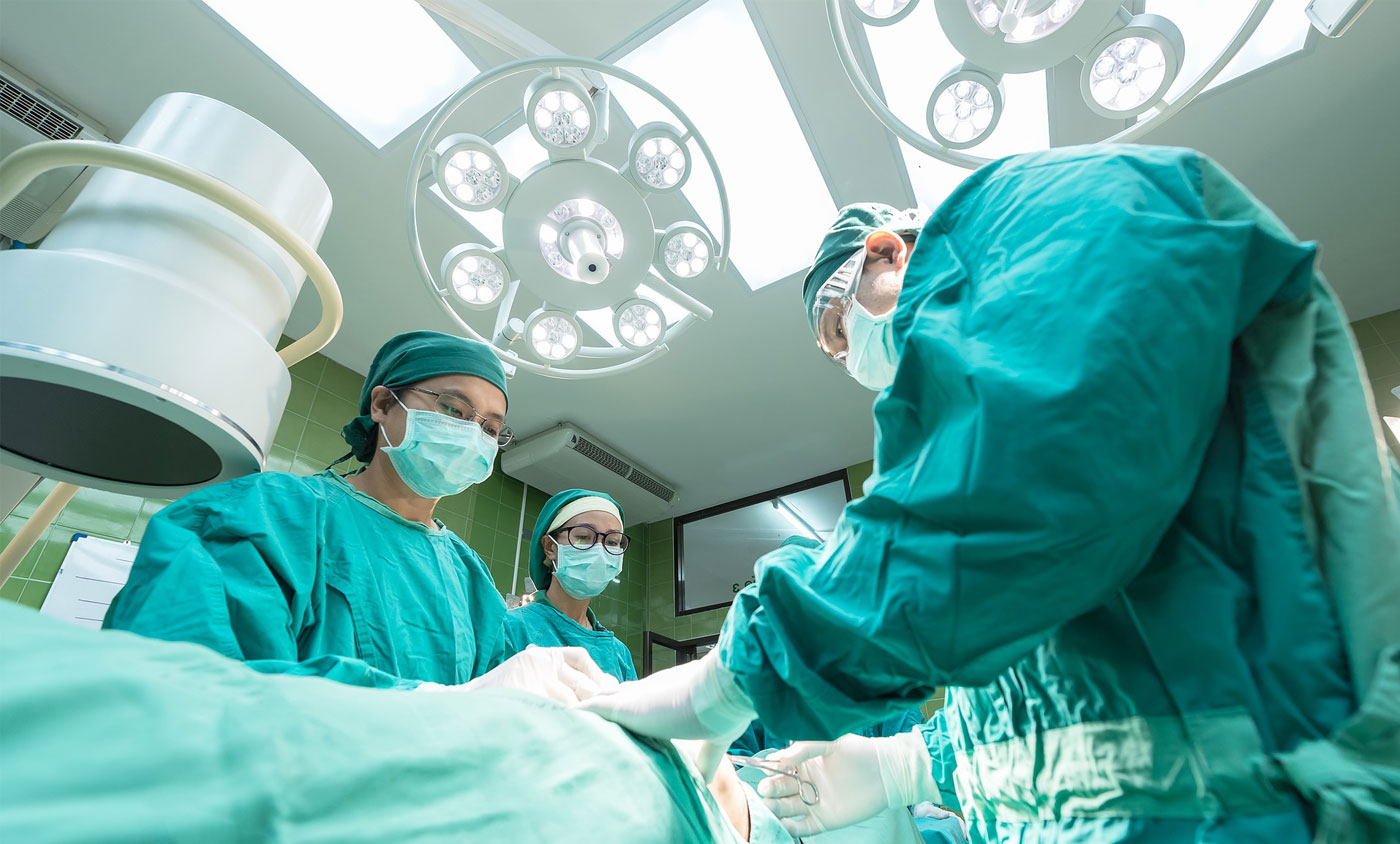
1. Surgical & Anaesthetic Pendants
Expect to install at least one surgical and one anaesthetic pendant, which provide power, gas, and data outlets. Fully articulated pendants offer the highest flexibility. Coordinate closely with:
-
Structural engineers
-
Electrical and gas contractors
-
Mechanical consultants
2. Theatre Lights
Traditional halogen or gas discharge lights are being replaced with LED surgical lighting, which offers:
-
20,000+ hour bulb life
-
Low maintenance
-
Variable colour temperatures (aiding cancer diagnostics)
A 3-hour battery backup is recommended to ensure visibility during power failures. Emergency lighting should share this backup.
3. Monitors & Cameras
In teaching hospitals, include:
-
HD or 4K ceiling-mounted cameras
-
Pendant-mounted displays
-
Wireless microphones for audio transmission
Ensure adequate bandwidth and power supply for high-quality data and video streaming.
4. Ultra Clean Ventilation (UCV) Canopy
Required for orthopaedic and neurosurgery theatres, UCV canopies affect the placement and sequence of ceiling services. Recent trends favour flush-mounted skirtless designs, offering better aesthetics and cleaning efficiency.
Wall-Mounted Equipment
1. Surgeons’ Panels
Modern panels are:
-
Flush-mounted
-
Membrane type with anti-microbial coatings
-
Increasingly touchscreen-based for ease of use and future-proofing
Coordinate installation of:
-
Gas alarms
-
IPS/UPS systems
-
Warning signs (e.g., X-ray or laser in use)
2. PACS Display and Computer Systems
Install DICOM-compliant PACS screens near the main control panel. Surgeons also require access to computer terminals for logging procedure data – either wall-mounted or on mobile trolleys.
Floor-Mounted Equipment
1. Operating Table
Typically mobile and battery-powered, but power outlets should be provided via pendants where needed.
2. Trolleys
Used to hold anaesthesia equipment and endoscopes. Their mobility aids cleaning and room reconfiguration.
Infection Control & Airflow Design
Hygiene is paramount in an operating theatre. Ensure:
-
Walls: Painted with chemical-resistant plastic enamel
-
Ceiling: Airtight, typically plasterboard or metal
-
Airflow Regimes: Directed from clean to dirty zones to maintain sterility
Final Thoughts on Operating Theatre Design
We hope this article has provided helpful insights into the planning and specification process of operating theatre design. To get an idea on Ophthalmic Theatre guidance, you may want to have a look here If you’d like help reviewing or developing your theatre layout, we offer a consultancy service. Please leave a comment or visit our Contact page.
© 2008–2026, Hospital Design. Reproduction by permission only.
Broken link or feedback? Please contact us via the Contact Form.
We would like to hear your ideas on the design process and any stories you would like to share about how your workplace is influenced by the same via the Contact form.
About the Author:
Harry McQue is a hospital Design & Equipment Manager with Post Graduate degrees in business management and information technology. Harry has 20+ years of international experience ranging from working on hospital projects in Dubai (Middle East) to over £1 billion hospital projects in the UK & Europe. You can benefit from his experience at: hospital-designs.com. If you have current or upcoming projects, big or small or topics that you would like his advice on, you can get in touch via the Contact form.
Use permitted only with prior authorisation. Please contact for permission or guidance.