Share This Article
Planning Imaging Rooms in Hospitals | Design and Coordination Tips
Imaging Rooms: Design and Coordination Tips
Author: Harry McQue (see footer for details)
Revised Publication date: 24 Aug 2016
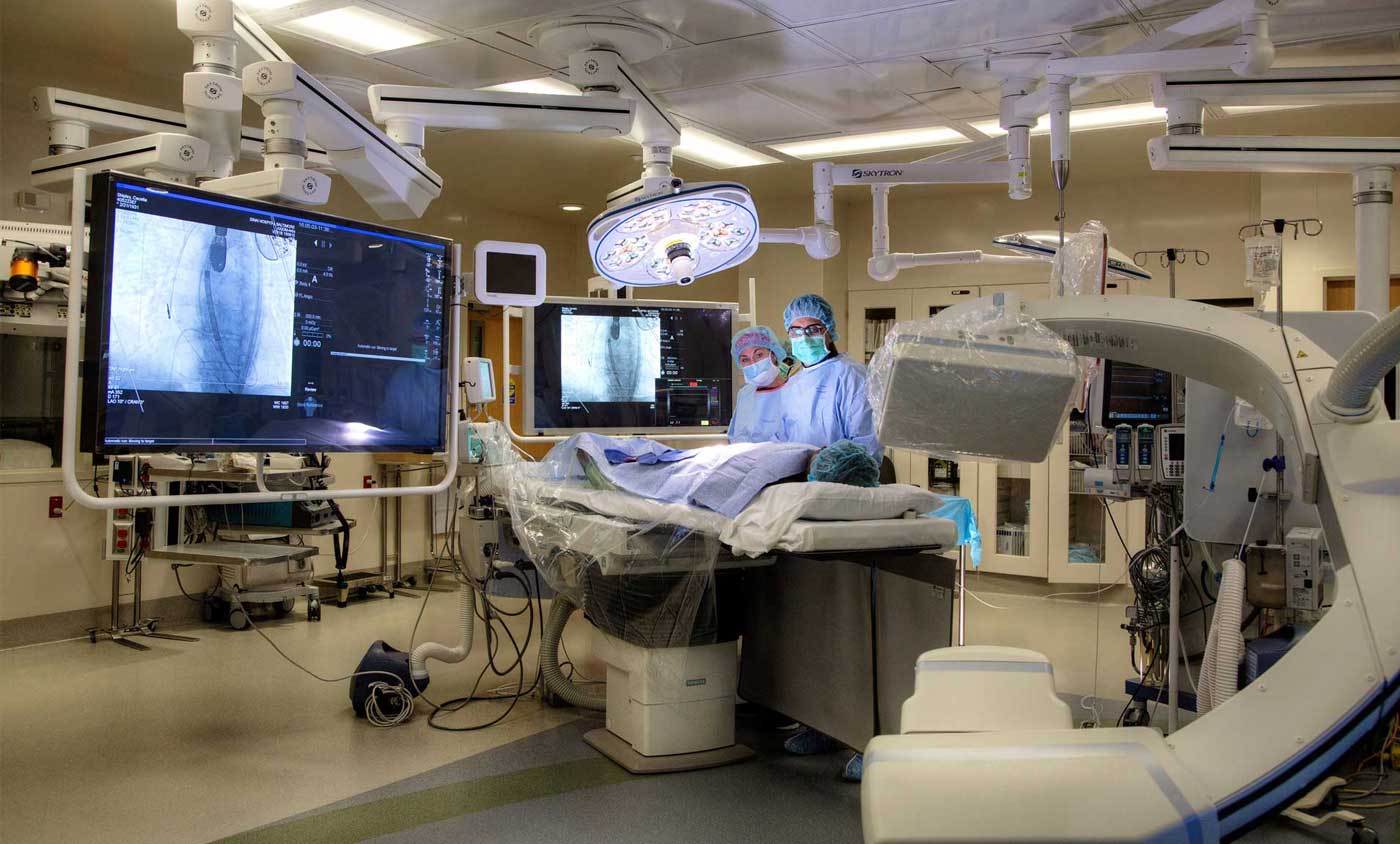
Planning imaging rooms in hospitals-such as X-ray, CT, and fluoroscopy suites-requires significantly more effort than most other clinical areas. This is largely due to the technical complexity of the equipment, the load-bearing requirements of the building, and the essential coordination with manufacturers and structural engineers. (MRI will be covered in a future article.)
Below, we outline the core elements to consider when designing an X-ray room. These principles also apply to CT and fluoroscopy room planning.
Room Dimensions, Access and Layout
The first challenge in planning imaging rooms in hospitals is logistics: can the largest part of the equipment reach the room? Refer to the manufacturer’s pre-installation guide to confirm the route from the entrance to the room via lifts and corridors. Involve your architect early to avoid obstacles, such as narrow lift doors or tight corners-that could block delivery.
Manufacturers also provide minimum room dimensions, based on the equipment’s technical requirements and clinical functions, and aligned with UK healthcare design regulations.
Structural Requirements
X-ray systems usually include:
-
A floor-mounted table
-
Wall-mounted chest bucky
-
Ceiling-mounted X-ray tube
-
Operator console and generator cabinet
These components must be structurally supported. Ceilings must hold the weight of ceiling-mounted tubes, which glide on rails fixed to secondary steel (e.g. UniStrut or MarsStrut). The wall and floor must accommodate embedded or surface-mounted trunking for data and power cables.
If your project is a new build, supply your architect and structural engineer with manufacturer details on:
-
Floor loading
-
Ceiling slab deflection
-
Vibration tolerance
In existing buildings, confirm all specs before ordering equipment. Early coordination avoids costly structural changes later.
Services, Cooling and Environment
Each unit will require precise power, data (possibly broadband), and cooling. Ask manufacturers if humidity control is also needed, as this differs from standard air-conditioning or comfort cooling.
Position emergency stop buttons at the control desk and near the patient table. Services should follow detailed manufacturer drawings specific to the model you’re installing.
Radiation Protection
Consult a Radiation Protection Advisor (RPA) to determine the shielding requirements for walls, doors, and ceilings. This depends on the room’s location, size, and adjacent spaces. The operator console should be positioned behind a lead-lined screen to ensure staff safety.
➡️ NHS Radiation Protection Guidance (UK Gov)
Final Thoughts
By carefully planning imaging rooms in hospitals, you can avoid costly errors and ensure compliance, efficiency, and long-term functionality. Involve architects, equipment vendors, structural engineers, and RPAs early in the process to get the most value from your investment.
👉 Need help reviewing your imaging room plans? Contact our team today
💼 Learn more about our hospital equipment consultancy services
We would like to hear your ideas on the design process and any stories you would like to share about how your workplace is influenced by the same via the Contact form.
About the Author:
Harry McQue is a hospital Design & Equipment Manager with Post Graduate degrees in business management and information technology. Harry has 20+ years of international experience ranging from working on hospital projects in Dubai (Middle East) to over £1 billion hospital projects in the UK & Europe. You can benefit from his experience at: hospital-designs.com. If you have current or upcoming projects, big or small or topics that you would like his advice on, you can get in touch via the Contact form.
Use permitted only with prior authorisation. Please contact for permission or guidance.