Share This Article
Sustainable Hospital Refurbishment: Better Buildings, Less Disruption
Sustainable Hospital Refurbishment: Better Buildings, Less Disruption
Refurbishing a hospital is rarely a blank-slate exercise. The building may be busy every day, its systems may have accumulated layers of change, and the people who rely on it cannot simply pause care while work takes place. Sustainable hospital refurbishment therefore asks two linked questions: how can the building perform better over its life, and how can the project protect the services operating inside it?
Understand the building before choosing the intervention
Start with a reliable picture of the existing estate: condition, energy use, maintenance history, space utilisation, ventilation and heating constraints, and known resilience risks. Combine records with surveys and conversations with facilities and clinical teams. This helps distinguish a simple replacement from an opportunity to improve the way the building works.

Set outcomes that matter to patients and staff
Energy and carbon targets belong alongside comfort, air quality, accessibility, noise, reliability and service continuity. A measure that saves energy but creates an uncomfortable clinical environment is not a successful refurbishment. Agree project outcomes early, identify who will measure them and decide what operational data will be collected after handover.
Where feasible, consider the whole-life effects of materials and systems, not only their purchase cost. Prioritise maintainability and replacement access so that a future repair does not require extensive disruption or premature disposal of surrounding finishes.
Sequence the work around live care
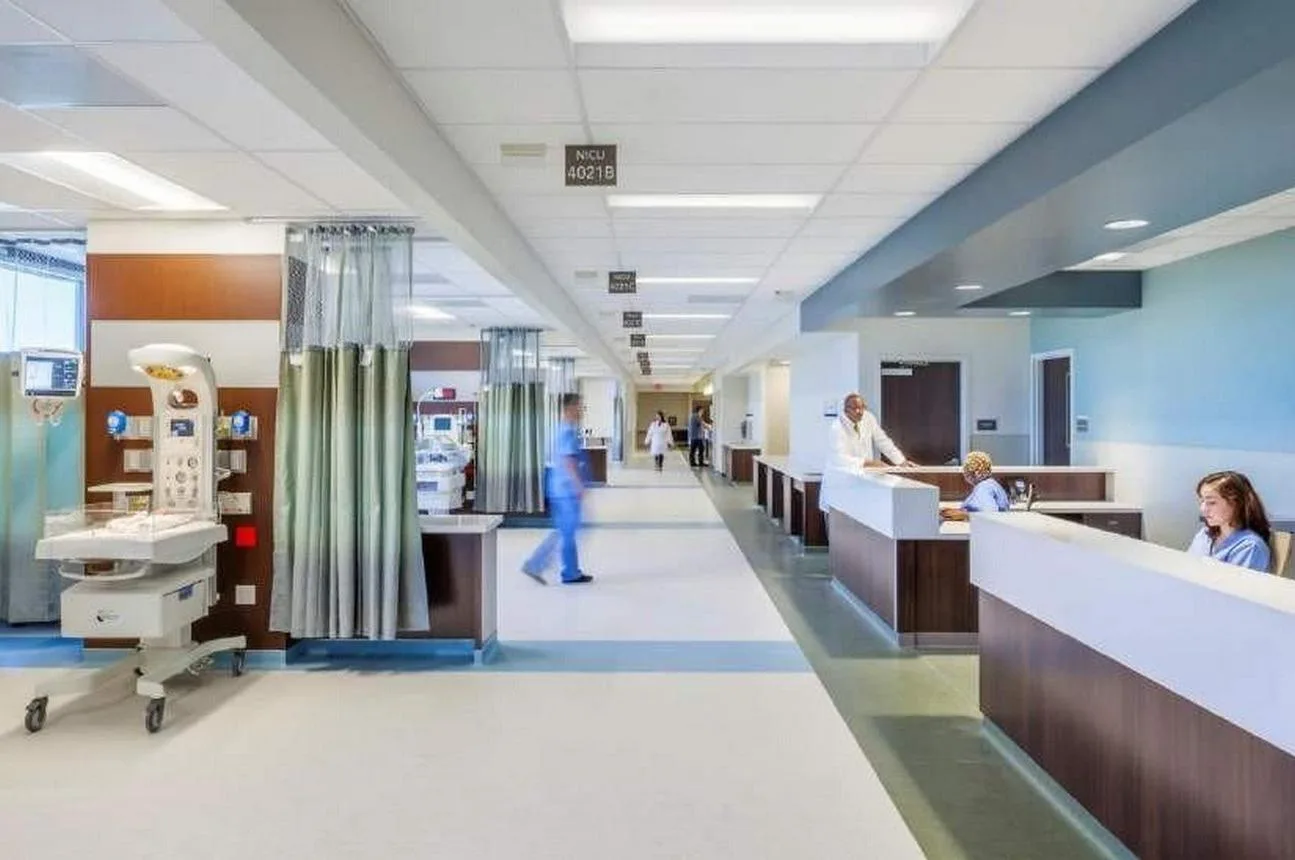
Phasing is part of the design. Plan how patients, staff, deliveries, waste, temporary services and emergency access will move while work is under way. Coordinate shutdowns, noise, dust control, infection prevention measures and temporary wayfinding with the people responsible for clinical operations. A practical phasing plan can protect both the programme and patient confidence.
Use resilience as a design test
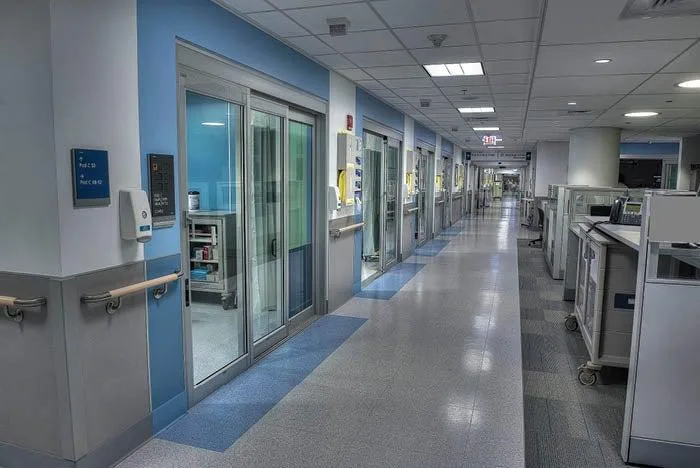
Heat, heavy rainfall, power interruptions and supply-chain delays can expose weaknesses that are easy to miss in a standard scope. Review the site and critical services for relevant climate and operational risks. Protect vulnerable equipment, consider overheating and drainage, and test how critical spaces will function during planned works or abnormal conditions. Responses should be based on local risk assessment and specialist advice.

Measure the result after the builders leave
Set up a clear handover: updated asset information, training, controls, maintenance plans and a period of post-occupancy review. Compare actual performance with the agreed brief and investigate gaps while the project team can still help resolve them. This creates useful evidence for future upgrades across the wider estate.
The NHS Net Zero Building Standard provides relevant guidance for major NHS new-build and upgrade projects. Applicability depends on project scope and approval stage, so check the current standard and local requirements.
The takeaway
Sustainable refurbishment is most effective when it improves building performance without losing sight of care delivery. Begin with evidence, set patient-centred outcomes, design realistic phasing and return after handover to see whether the building is doing what the project promised.
We would like to hear your ideas on the design process and any stories you would like to share about how your workplace is influenced by the same via the Contact form.
About the Author:
Harry McQue is a hospital Design & Equipment Manager with Post Graduate degrees in business management and information technology. Harry has 20+ years of international experience ranging from working on hospital projects in Dubai (Middle East) to over £1 billion hospital projects in the UK & Europe. You can benefit from his experience at: hospital-designs.com. If you have current or upcoming projects, big or small or topics that you would like his advice on, you can get in touch via the Contact form.
Use permitted only with prior authorisation. Please contact for permission or guidance.